




You've tried sunscreen after sunscreen, and your baby's skin still reacts. It's frustrating, and you're not imagining it. More often than not, the culprit isn't sunscreen itself but one specific ingredient, and once you know what to look for, it gets a lot easier.
Is it normal for my baby to react to every sunscreen?
Repeated reactions to sunscreen are genuinely common in babies and children with sensitive or reactive skin. It doesn't mean your child can't use sunscreen, and it doesn't mean every product will cause a problem. It usually means there's a particular ingredient that's triggering the response, and you haven't been able to identify it yet.
The good news is that once you narrow it down, switching products becomes much simpler.
What ingredients usually cause the reaction?
Most reactions to sunscreen come down to a small list of ingredients:
- Fragrance is one of the most common causes of contact irritation in skincare products, including sunscreen. This includes products labelled "lightly scented" or that have a pleasant smell.
- Essential oils are natural, but that doesn't make them gentle for reactive skin. Many essential oils are potent sensitisers, particularly for babies.
- Certain preservatives, including some found in otherwise gentle-sounding formulations, can trigger responses in highly reactive skin.
- Oxybenzone is a UV-filtering ingredient that can cause contact sensitivity in some individuals. It's worth checking whether it appears on any label your child has reacted to.
If your child has reacted to more than one product, it's worth comparing their ingredient lists to see what they have in common. The shared ingredient is often the answer.
How do I narrow down the trigger?
A methodical approach helps. Here is a simple process:
- Simplify. When trying a new sunscreen, stop all other new products at the same time so you can isolate any reaction.
- Patch test first. Apply a small amount of the new sunscreen to the inside of your child's wrist or elbow. Leave it for 24 to 48 hours. If there is no reaction, proceed to broader application.
- Introduce one product at a time. Don't switch sunscreen and moisturiser in the same week. One change at a time makes it much easier to identify what's working.
What should I look for in the next sunscreen?
When choosing a replacement sunscreen for a child who has had repeated reactions, focus on what's been removed from the formulation:
- Fragrance-free, including no masking fragrances ("unscented" is not the same as fragrance-free)
- Essential oil-free
- Oxybenzone-free
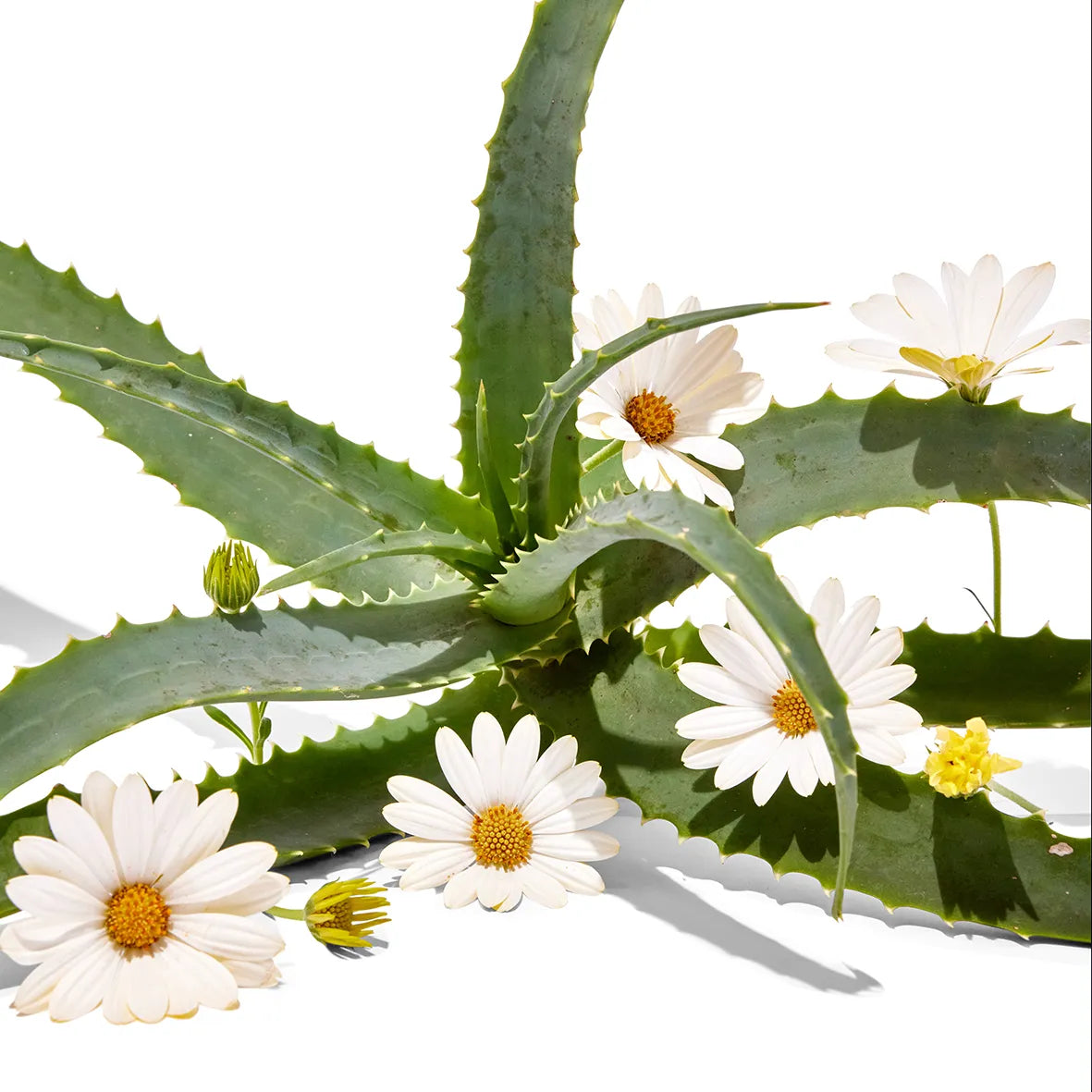
- A gentle base with calming, moisturising ingredients such as Aloe Vera, Vitamin E, and Glycerin
Our SPF50+ Sensitive Skin Sunscreen is free from all of the above. It's also free from Homosalate, Parabens, Phthalates, Sulphates, Petroleum, Triclosan, and BPA, and is infused with Aloe Vera and Vitamin E. Learn more about choosing sunscreen for sensitive and reactive skin, or what to look for when choosing any sunscreen.
Our SPF50+ Sensitive Skin Sunscreen has also been independently tested by Eurofins Dermatest to a mean SPF of 61.0 (ISO 24444 and AS/NZS 2604:2012), and it is TGA-registered (ARTG AUST L 391791). For families working through repeated reactions, that verification and registration are worth knowing about alongside the ingredient list.
When should I check with my doctor?
If your child has had a significant or widespread reaction, has blistering, swelling, or difficulty breathing after applying sunscreen, or if reactions keep recurring despite changing products, please see your GP or a dermatologist. They can help identify specific allergens through patch testing and guide you to the right options for your child's skin.
Sun protection is still essential even while you're working through this. A hat, protective clothing, and staying out of peak UV are valuable while you find the right product.
Frequently asked questions
Why does my baby react to sunscreen?
The most common triggers are fragrance, essential oils, and certain preservatives. Oxybenzone is another ingredient associated with contact sensitivity in some children. Comparing the ingredient lists of products that have caused reactions often reveals the shared culprit.
What sunscreen is gentlest for reactive skin?
Look for a sunscreen that is fragrance-free (genuinely, not just unscented), essential oil-free, and oxybenzone-free, with a gentle base that includes calming ingredients like Aloe Vera, Vitamin E, and Glycerin. A patch test before full use is always a good idea.
What should I do if my baby reacts to a sunscreen?
Stop using the product and rinse the area gently with cool water. Make a note of the ingredients so you can compare them to other products that have caused reactions. If the reaction is significant or your child seems distressed, contact your GP. For milder reactions, patch testing a simplified, fragrance-free product is a good next step.
This post is for general information only. If your child has a skin condition or has had a significant reaction, please speak with your GP or dermatologist.


